TCP vs UDP and HTTP
when data travels across the internet, it needs rules to make sure it gets from one computer to another. These rules are called protocols. Think of them as traffic laws for information.
TCP and UDP
TCP stands for Transmission Control Protocol is like a courier service that guarantees our package arrives safely and in order.
UDP stands for User Datagram Protocol is like a live broadcast and fast, but their is no guarantee everyone hears every word and everything.
key Differences Between TCP and UDP
| Feature | TCP | UDP |
| Reliability | Ensures delivery, resends lost data | No delivery guarantee |
| Order | Keeps data in sequence | Data may arrive out of order |
| Speed | Slower due to checks | Faster, fewer checks |
| Use Case | Safe, reliable transfer | Quick, lightweight transfer |
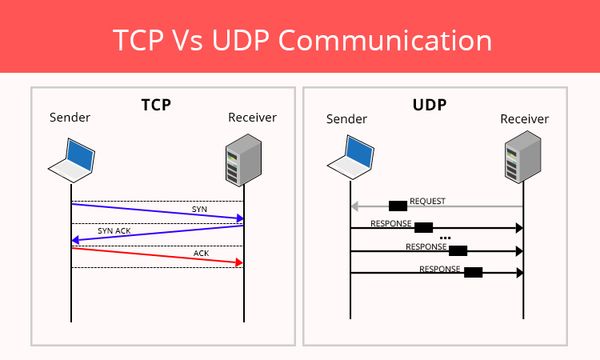
We use TCP protocol when accuracy matters more than speed. For examples, web browsing, emails, file downloads.
We use UDP protocol when speed matters more than accuracy. For examples, video streaming, online gaming, live calls.
In the real world, when we visit the website, or sending an email to someone, or downloading some files, they all are work on the TCP protocol.
But, when we watching a live sports stream, or playing multiplayer games, or making a video call, they all are work on the UDP protocol.
What is HTTP?
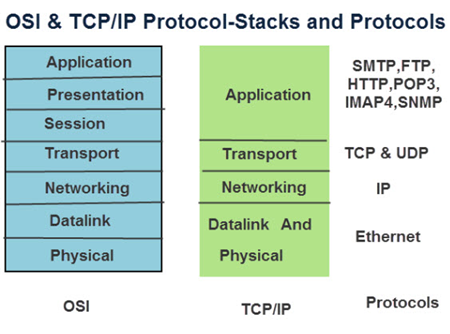
HTTP known as “HyperText Transfer Protocol” is a set of rules for how web browsers and servers talk to each other. It’s an application level protocol, meaning it focus on how information is presented and exchanged not how it travels.
Relationship Between TCP and HTTP
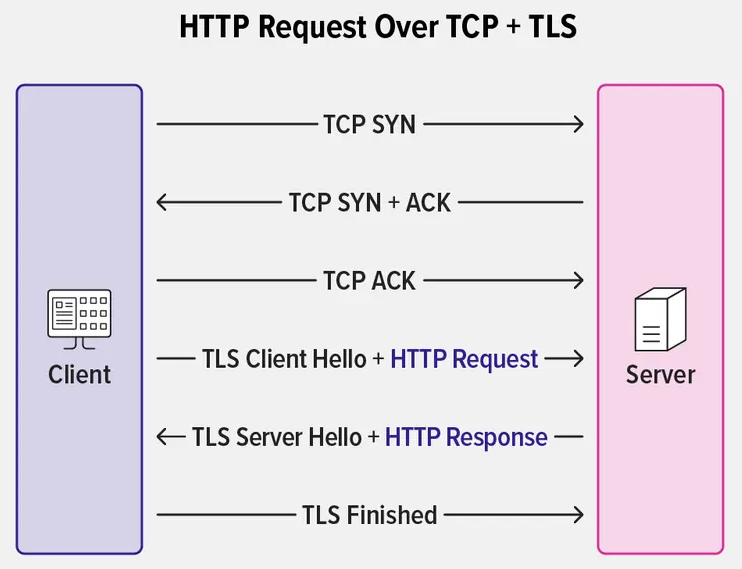
HTTP runs on top of TCP. TCP ensures the data packets arrive safely, while HTTP decides how those packets are used to display web pages.
HTTP is not the same as TCP. HTTP depends on TCP to work, but it operates at a higher layer.
Simple Analogies for TCP, UDP and HTTP
TCP : Like a phone call where both sides confirm they heard each other.
UDP : Like shouting an announcement very fast in a crowded area. But some people may miss it.
HTTP : Like the language used during the phone call. It defines what is said, not how the sound travels.
Conclusion
The internet relies on the different protocols working together. TCP and UDP are transport level protocols that decide how data moves, while HTTP is an application level protocol that decides how web content is shared. Understanding these differences helps clear up the common confusion.
HTTP is not the TCP, it uses the TCP to do its job.


